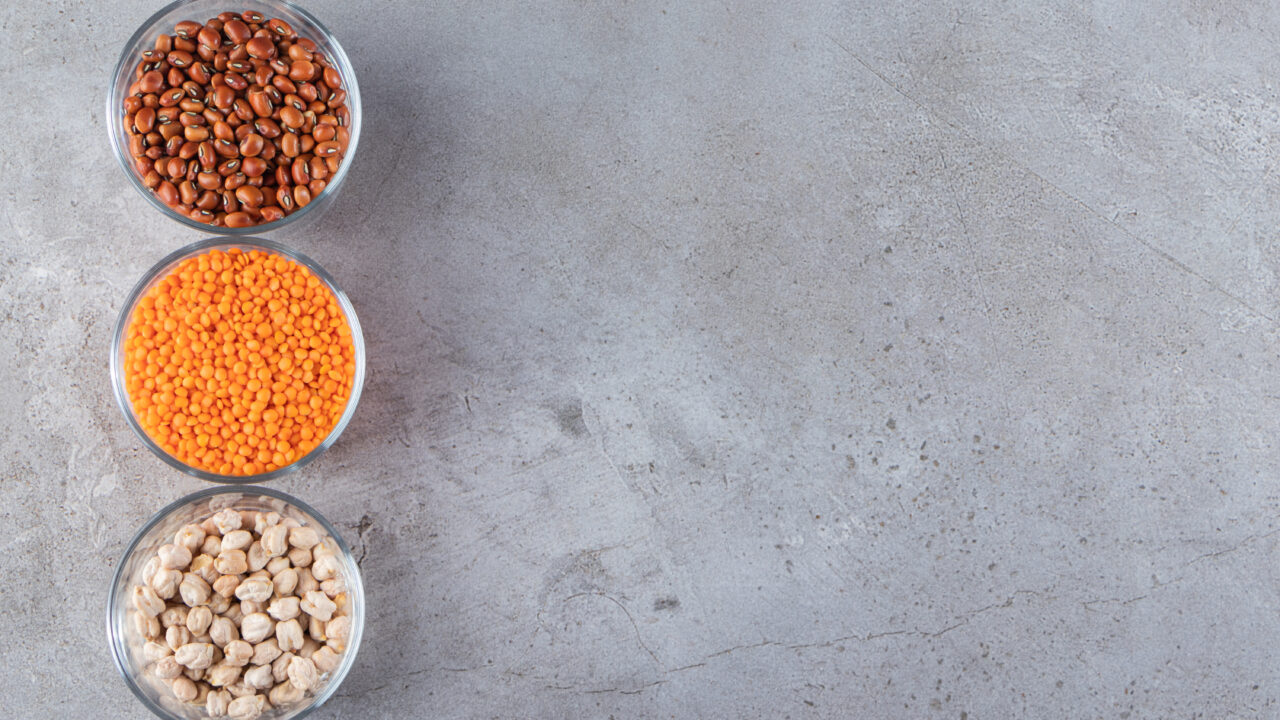
High protein meal prep on a budget comes down to which protein you buy, not how many gadgets or recipes you own. Dried beans, lentils, eggs, canned fish, and whole chicken thighs deliver far more protein per dollar than pre-portioned cuts or protein bars, and a single batch-cook session turns that cheap protein into a full week of meals before any of it has a chance to spoil. The ingredients below are picked for one reason: what they cost per gram of protein, not just how much protein they happen to have.
This runs on the same batch-cook logic as this site’s high-protein meal prep pillar, and it pairs well with the high-protein grocery list for the shopping side. The angle here is narrower: which proteins are worth buying when the goal is to stretch the budget, and how to cook them without losing half the batch to spoilage before the week is over.
The protein foods that actually stretch a grocery budget
Boneless, skinless chicken breast is the default answer to “healthy protein” and usually the most expensive one in the meat case. Chicken thighs cook the same way, hold up better to batch reheating since they do not dry out as fast, and cost noticeably less per pound in most stores. That single swap does more for a budget high-protein meal prep plan than any amount of coupon clipping.
Dried beans and lentils are the other lever, and they are easy to underrate because a bag looks small next to a package of chicken. A pound of dried lentils cooks up to roughly three times its dry weight, which turns a cheap bag into several days of protein once it is soaked and simmered. Canned versions cost more per serving but skip the soak-and-simmer step entirely, which matters on a week when the batch-cook session has to fit into one afternoon. Eggs, canned tuna or sardines, and peanut butter round out the list: none of them need a freezer, and all three hold up well in a lunch box without reheating.
For the bigger picture on what a week of groceries should cost, this site’s grocery budget breakdown uses the USDA’s own benchmarks by household size. The cheap-protein habits above are what actually move a grocery bill toward that number, more than swapping brands or hunting for coupons ever does.
How much protein actually counts
A budget plan only works if the protein in it is real protein, not a garnish. The USDA’s protein foods group uses an ounce-equivalent measure to keep that honest: one ounce of cooked meat, poultry, or seafood counts as one, one egg counts as one, a quarter cup of cooked beans or tofu counts as one, and a tablespoon of peanut butter counts as one. Two or three of these per meal is the target worth cooking toward, whatever the specific gram count ends up being for any one person.
| Protein food | Counts as 1 ounce-equivalent | Why it is a budget pick |
|---|---|---|
| Chicken thigh, cooked | 1 ounce | Cheaper per pound than breast, holds up to reheating |
| Dried beans or lentils, cooked | ¼ cup | Lowest cost per serving once soaked and simmered |
| Egg | 1 egg | No freezer needed, keeps almost a week in the shell |
| Canned tuna or sardines | 1 ounce | Shelf-stable until opened, no cooking step |
| Peanut butter | 1 tablespoon | Long shelf life, works in breakfast or snacks |
Ounce-equivalent figures: MyPlate, Protein Foods Group, USDA, already published on this site’s high-protein meal prep articles.
High protein meal prep on a budget: the batch-cook session, step by step
Buy the base ingredients in bulk
A bigger bag of dried lentils or a larger pack of chicken thighs almost always costs less per serving than the small versions, as long as the plan actually uses it within a week or freezes the rest the same day.
10 minCook everything in one window
Simmer the beans or lentils while the chicken thighs roast or pan-sear, so nothing sits half-done while something else finishes. One cooking session, not three.
45 minCool before sealing containers
Spread hot food out to cool rather than sealing it straight into a stack of containers. Refrigerate within two hours of cooking. Food that spoils early is money thrown out, not just a food safety issue.
20 minPortion by day, then split fridge and freezer
Set aside three to four days’ worth for the fridge and freeze the rest that same day. A batch that sits too long and gets tossed erases whatever the bulk buying saved.
15 min
How long budget proteins actually keep
Buying cheap protein in bulk only pays off if it gets eaten before it spoils. Cooked meat, poultry, and cooked beans or tofu hold for 3 to 4 days in the refrigerator, according to the USDA-FSIS Cold Food Storage Chart used elsewhere on this site. That window is short on purpose, not a flaw in the plan, which is exactly why the batch-cook session above splits the week between fridge and freezer instead of trying to stretch one container across seven days.
| What you cooked | Refrigerator | Past that window |
|---|---|---|
| Cooked chicken, meat, or seafood | 3 to 4 days | Freeze, do not push past day 4 |
| Cooked beans, lentils, or tofu | 3 to 4 days | Same window as cooked meat |
| Hard-boiled eggs, in the shell | About 1 week | Peeled eggs keep for a shorter window |
Source: Cold Food Storage Chart, FoodSafety.gov / USDA-FSIS, already published on this site’s storage chart. For every food category, see the full chart.
Mistakes that quietly inflate a budget meal prep bill
- Buying pre-marinated or pre-portioned protein because it looks convenient. It almost always costs more per ounce than the plain version you season yourself.
- Cooking a full week’s worth and leaving all of it in the fridge. Past day 4, that food is either thrown out or eaten past its safe window, and neither outcome saves money.
- Skipping the freezer split because it feels like extra work on a Sunday. It is ten minutes of effort against a batch that would otherwise go to waste.
- Buying dried beans in bulk without a real plan to cook them. A bag sitting in the pantry for months is not cheaper than canned beans eaten on time.
If stretching the whole week’s groceries, not just the protein, is the bigger goal, this site’s cheap meal prep formulas build out the rest of the plate around the same cheap-protein logic used here.
Frequently asked questions
What are the cheapest high-protein foods for meal prep?
Dried or canned beans and lentils, eggs, canned tuna or sardines, peanut butter, and chicken thighs instead of breast are consistently the cheapest sources per gram of protein, and none of them require special equipment to cook.
Do I need to buy expensive cuts of meat for high-protein meal prep?
No. Chicken thighs, drumsticks, and canned or dried legumes deliver as much usable protein as pricier cuts and tend to hold up better to a week of reheating.
How do I avoid wasting money on spoiled protein?
Cook only what will be eaten within 3 to 4 days from the fridge, freeze the rest the same day it is cooked, and refrigerate freshly cooked batches within two hours. Food that sits out too long or smells off should be thrown away rather than risked.
How much protein should a budget meal prep plan include?
Individual needs vary by body weight and activity level, so this site does not set one gram target for every reader. The USDA’s ounce-equivalent measure (one ounce of cooked meat, one egg, or a quarter cup of cooked beans each count as one) is a practical way to check that a cheap batch is still genuinely high in protein.


